
Why Is My Airbnb Not Getting Bookings? 15 Common Reasons & Fixes
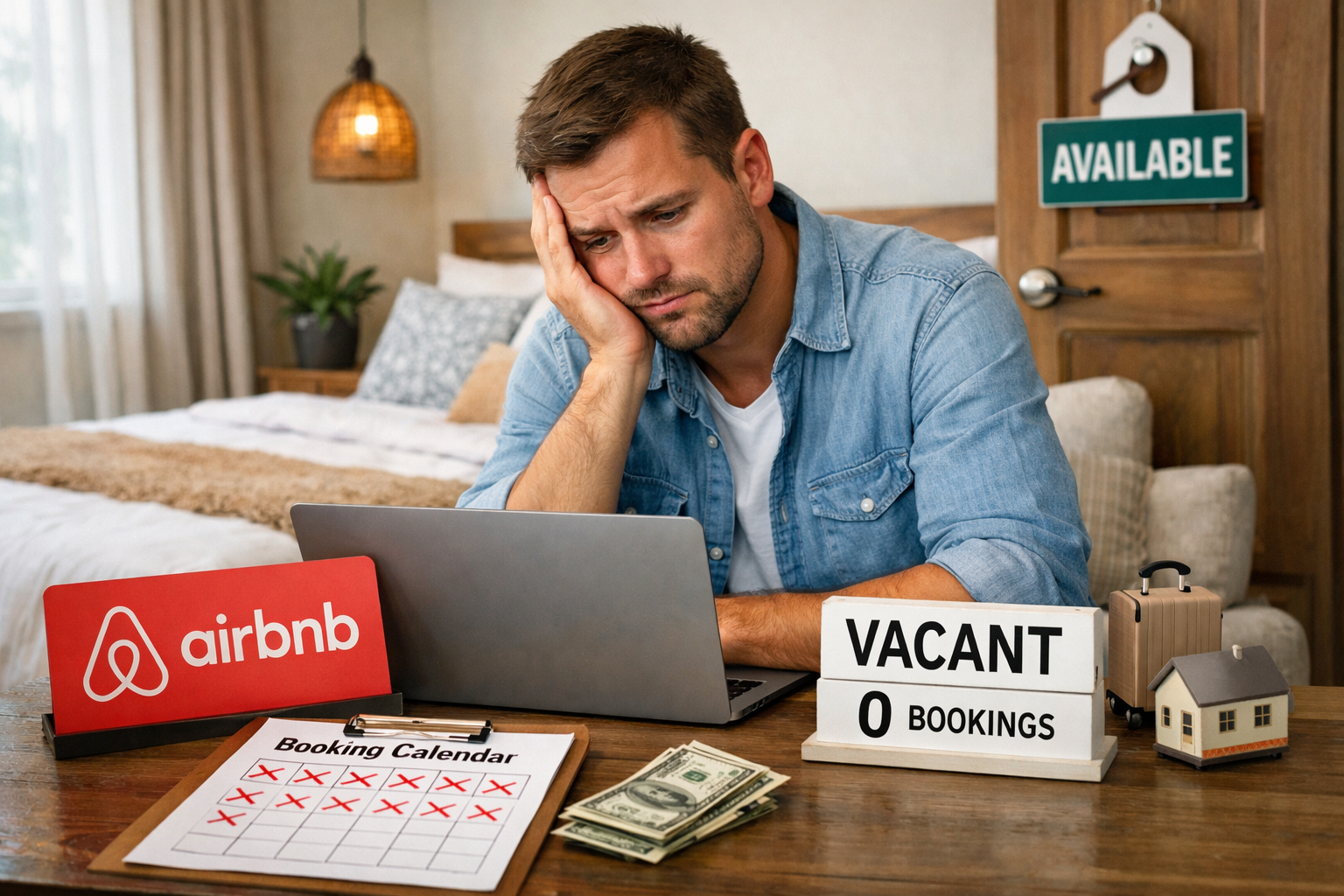
“When your calendar is open but your bookings aren’t — it’s time to fix the strategy, not the dream.”
15 Common Reasons & Fixes
An empty calendar is one of the most frustrating experiences for an Airbnb host—and the cause is rarely the property itself. In most cases, low bookings trace back to a handful of fixable issues: uncompetitive pricing, poor listing visibility, or a guest experience that falls short of expectations.
This guide walks through the 15 most common reasons hosts struggle with occupancy, along with actionable fixes for each. Whether your issue is static pricing, weak photos, or limited platform exposure, there is a clear path forward. If managing all of this feels like a full-time job, a flat-fee co-hosting partner like STR Management Co can handle pricing, distribution, and listing optimization on your behalf.
1. Uncompetitive Pricing

“Fair pricing builds trust, competitive pricing builds loyalty.”
If your nightly rate is too high—or simply stagnant—guests will scroll past your listing without a second look. Many hosts set a price once and leave it, ignoring seasonality, local events, and shifting demand. Static or inflated pricing also pushes listings down in Airbnb's search results.
Fix: Switch to dynamic pricing and keep your rates competitive. Adjust for weekends, major events, and last-minute availability. Tools like PriceLabs automate this process, lowering your rate when demand softens and raising it when demand spikes. According to Airbnb's own algorithm logic, listings with strong "value" pricing—those that outperform local competitors—receive preferential search placement. The right price does not just attract clicks; it converts them into bookings.
2. Rigid Calendar Settings

“A flexible calendar welcomes more guests and maximizes occupancy.”
A restrictive calendar quietly drives guests away. Long minimum-stay requirements, blocked single-night gaps, and excessive advance-notice windows all reduce your booking potential. Requiring a five-night minimum for a mid-week stay, for example, eliminates the majority of short-trip travelers.
Fix: Relax your booking rules. Reduce minimum-night stays to two or three nights and enable single-night bookings to fill gaps in your calendar. Airbnb rewards listings with open, up-to-date availability—so keep your calendar synced and accessible. The fewer friction points between a guest and a confirmed booking, the better your occupancy will be.
3. Poor Listing Photos

“Your listing photo is your property’s first impression.”
Professional photography is one of the highest-return investments a host can make. Dark, blurry, or uninspiring images cause guests to move on immediately. Airbnb's own data suggests that listings with high-quality photography receive up to 24% more bookings than those without.
Fix: Invest in great visuals. Use a wide-angle lens, photograph every room, and stage the space before shooting—fresh flowers, clean linens, and natural light go a long way. Highlight standout features like pools, views, or unique design details. If photography is not your strength, hire a professional or use a photo-editing service. STR Management Co includes professional photography as part of its listing optimization, ensuring your property looks as good as it is.
4. Weak Title and Description (SEO Issues)
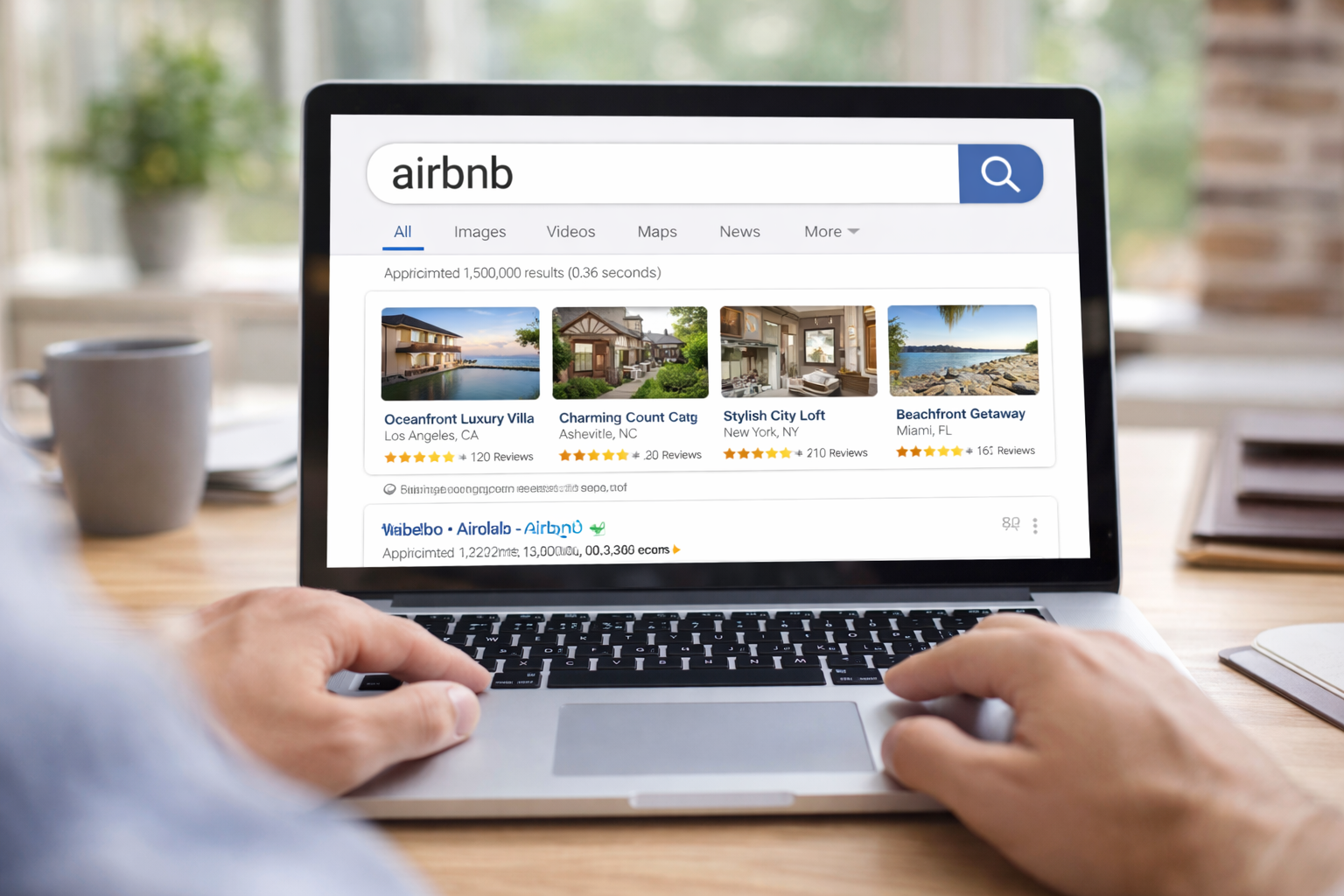
“Behind every search is a traveler looking for the perfect place to stay.”
Your title and description are your first opportunity to connect with a potential guest. Generic, keyword-poor copy reduces your listing's visibility in search and fails to communicate what makes your property worth booking.
Fix: Treat your listing copy like a search-optimized advertisement. Write a title that leads with what guests are searching for—something like "Modern Downtown Condo with Pool & Fast Wi-Fi" is far more effective than "Nice Place to Stay." In the description, highlight unique features, nearby attractions, and the specific benefits of staying with you. Keep everything accurate and consistent with your photos to build trust. Revisit your title and description seasonally to stay relevant, and make sure every available field in your listing is filled out completely.
5. Incomplete Listing or Missing Amenities
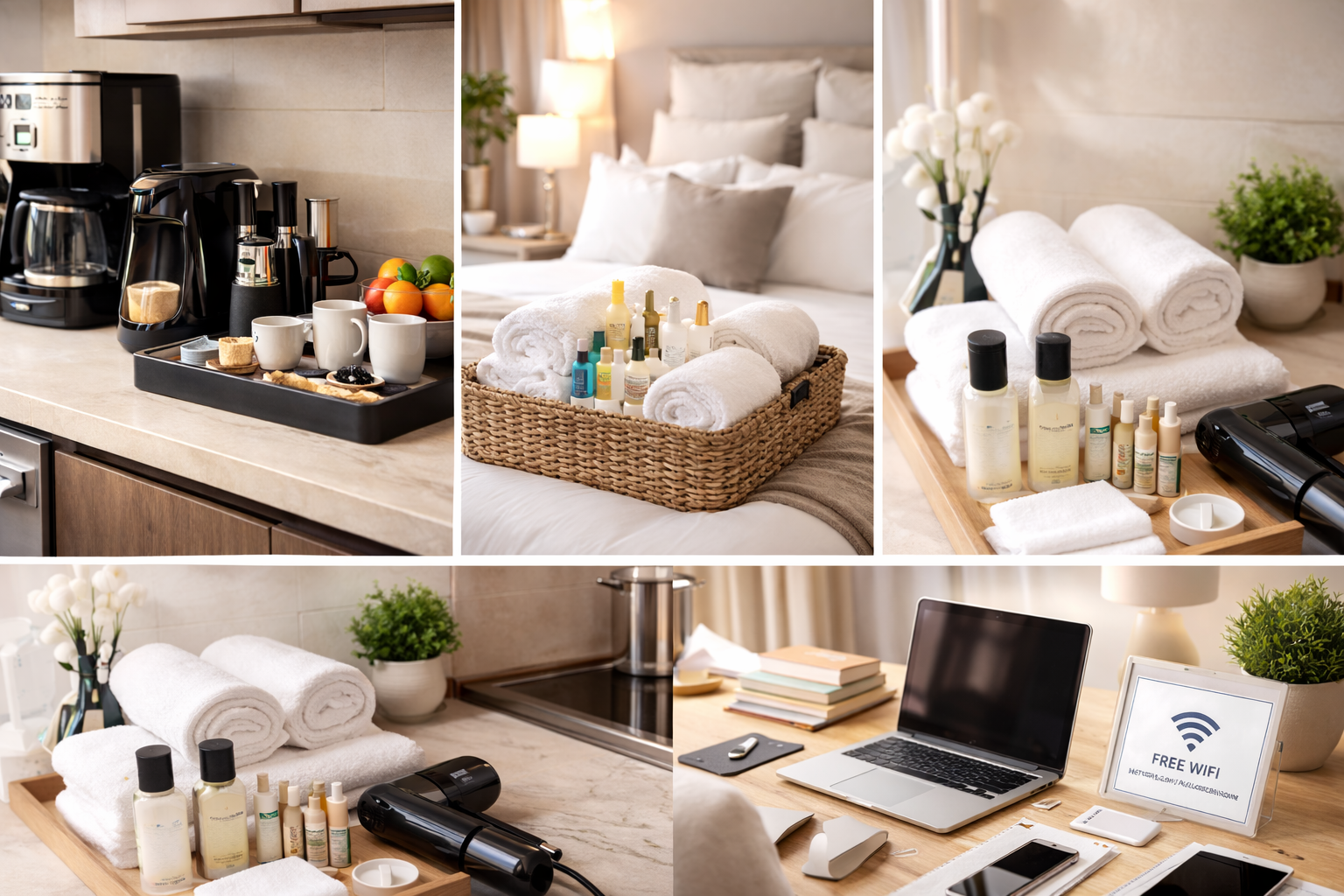
“Designed with complete amenities to make every stay seamless and comfortable.”
Airbnb's algorithm favors complete listings. Unfilled sections, sparse amenity lists, and missing tags reduce both your search visibility and guest confidence. Many travelers filter by specific features—Wi-Fi, parking, a washer and dryer—so if those amenities are not listed, your property simply will not appear in those results.
Fix: Audit your listing for gaps. Check off every amenity your property actually offers, update your guest-type tags (families, pets, business travelers), and make sure your house rules and policies are fully detailed. A complete, well-maintained listing signals to Airbnb that you are an active, attentive host—and the algorithm responds accordingly.
6. Instant Book Is “Off” or Response Time Is Slow

“Respond fast. Build trust. Secure the booking.”
Airbnb rewards hosts who make booking easy. Listings without Instant Book enabled—or those with slow response rates—rank lower in search results. A response time longer than 24 hours frustrates guests and pushes them toward listings that are more immediately accessible.
Fix: Enable Instant Book. If guest screening is a concern, use Airbnb's recommended filter settings rather than manual approval. Commit to responding within an hour whenever possible, and consider using message templates or a co-host to ensure 24/7 coverage. Quick, reliable communication signals professionalism—and Airbnb's algorithm takes note. STR Management Co offers around-the-clock guest support with an average response time of under three minutes, so no inquiry goes unanswered.
7. Few or Negative Reviews
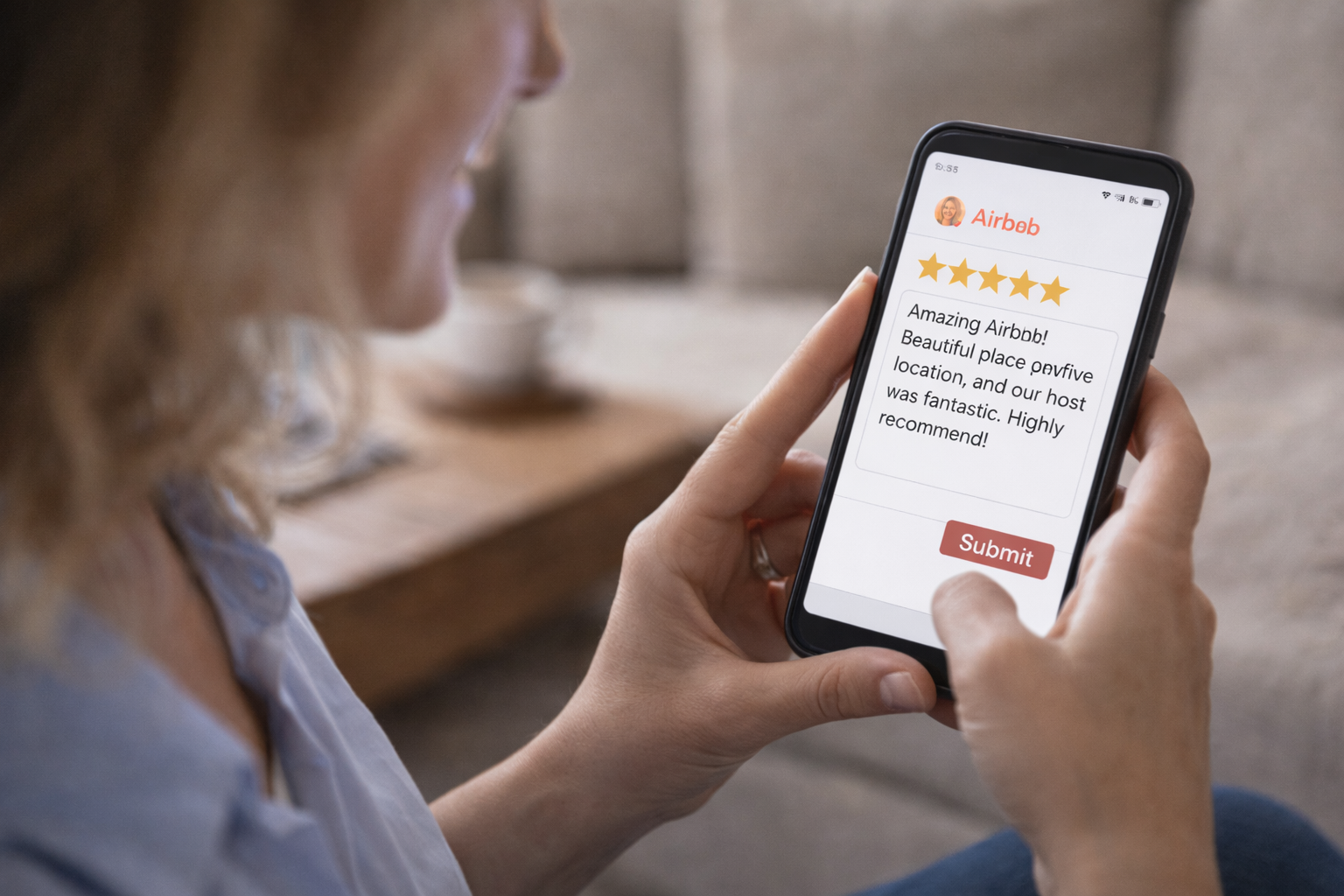
“The best marketing for your Airbnb is a happy guest.”
Social proof drives bookings. A new listing with no reviews, or one carrying a few negative ratings, will consistently lose out to competitors with strong track records. New listings receive a brief visibility boost from Airbnb, but that window closes quickly—and without positive reviews to sustain momentum, rankings decline.
Fix: Make collecting reviews a deliberate part of your post-stay process. A friendly follow-up message after checkout is often all it takes. When negative feedback does appear, respond professionally, address the issue, and update your listing if warranted. Over time, a strong review profile becomes one of your most valuable assets—driving both search visibility and booking conversion.
8. Limited Channel Distribution (Visibility Issues)

“If travelers can’t find your listing, they can’t book it.”
Listing exclusively on Airbnb leaves significant revenue on the table. Many travelers search and book through Booking.com, Vrbo, or other platforms. The more places your property appears, the more bookings you will receive—and the less vulnerable you are to algorithm shifts on any single platform.
Fix: Expand your distribution. Sync your calendar to Booking.com, Vrbo, and other short-term rental platforms using a channel manager to avoid double-bookings. Consider building a direct booking website as well—search engine traffic can become a meaningful source of reservations over time. STR Management Co manages multi-platform distribution as part of its standard service, ensuring your listing reaches every relevant channel.
9. Overpriced Cleaning or Extra Fees

“Pricing strategy is the difference between empty nights and full calendars.”
High cleaning fees and opaque add-on charges are a leading cause of abandoned bookings. When a $150-per-night listing carries a $120 cleaning fee, the all-in price feels disproportionate—and guests move on. Travelers increasingly compare total costs, not just nightly rates.
Fix: Review your fee structure. Consider lowering your cleaning fee or absorbing part of it into the nightly rate. Be transparent about every charge upfront. Keeping total pricing competitive and predictable directly improves booking conversion.
10. Strict Cancellation or Complicated Check-In

“Hospitality starts with flexibility.”
Non-refundable cancellation policies and host-only check-in requirements reduce the pool of travelers willing to book your property. Many guests, particularly those booking further in advance, want flexibility.
Fix: Consider a moderate or flexible cancellation policy to attract a broader audience. Simplify check-in with a lockbox or smart lock so guests can arrive on their own timeline. These adjustments make your listing appear in more filter results and signal to potential guests that you prioritize a smooth, stress-free experience.
11. No Clear Unique Selling Point

“Growth isn’t luck—it’s strategy.”
In competitive markets—particularly cities like Austin—a listing that blends in gets skipped. If your property does not clearly communicate what makes it worth choosing over the dozens of alternatives nearby, guests have no compelling reason to book it.
Fix: Lead with what sets your property apart. A downtown skyline view, a private home gym, complimentary parking, or proximity to a major venue can all be decisive factors for the right guest. Be specific: "10-minute walk to SXSW venues" or "dedicated workspace with ultrafast Wi-Fi" is more persuasive than generic praise. When your listing speaks directly to a traveler's needs, your conversion rate climbs.
12. Outdated or Inaccurate Listing Content

“Outdated information creates confusion. Inaccurate information breaks trust.”
Airbnb interprets infrequently updated listings as a sign of inactive management—and ranks them accordingly. If your photos, description, and pricing have not changed in months, your visibility is likely suffering.
Fix: Refresh your listing regularly. Update your title seasonally, swap in new photos after any updates to the space, and revisit your pricing and policies at least quarterly. Even minor updates signal to the algorithm that your listing is actively managed. Consistent content maintenance is one of the simplest and most overlooked ways to protect search ranking.
13. Seasonal Dips Without a Strategy

“Seasonal changes demand strategic adjustments.”
Occupancy naturally fluctuates throughout the year—Austin's average annual occupancy, for example, sits around 58%. Hosts who do not plan for slower months often find themselves with extended gaps that erode annual revenue.
Fix: Build an off-season strategy. Offer discounts for longer stays, create promotional deals (such as a third night free), or target remote workers looking for flexible mid-term rentals. During high-demand events—SXSW, ACL, Formula One in Austin—raise rates accordingly. Planning around your local calendar, rather than reacting to it, keeps your occupancy steady year-round.
14. High Competition in a Saturated Market

“Innovation is what makes you visible.”
Even a well-managed listing can struggle in a market with intense supply. When dozens of comparable properties are competing for the same guests, differentiation becomes essential.
Fix: Study your competition. Identify what similar listings offer and look for ways to provide more—a standout amenity, a better price point, a more distinctive design, or a niche audience (pet travelers, business guests, families) that you can serve especially well. Competing on value and specificity is more sustainable than competing on price alone.
15. Regulatory or Verification Issues

“Trust begins with verification.”
An often-overlooked reason for low visibility is non-compliance. Unverified host profiles, missing permits, or unresolved policy warnings can suppress a listing's search ranking—or remove it from results entirely.
Fix: Confirm that your listing is fully compliant with local short-term rental regulations and that your host profile is completely verified. Keep permits and documentation current, and address any policy warnings from Airbnb promptly. A clean, compliant listing not only ranks higher—it also builds guest confidence.
Airbnb Low Bookings Checklist
If you are not sure where to start, use this checklist to prioritize your efforts:
Enable dynamic pricing and adjust rates for seasonal demand and local events
Reduce minimum-night requirements and open up your calendar
Invest in high-quality, well-staged photography
Optimize your title and description with relevant, searchable keywords
Complete every section of your listing, including all amenities and tags
Enable Instant Book and commit to fast response times
Actively collect guest reviews after every stay
List on multiple platforms (Booking.com, Vrbo, direct site)
Review your fee structure for competitiveness and transparency
Refresh listing content regularly to maintain search visibility
Verify your host profile and confirm regulatory compliance
Low occupancy is almost always fixable. Identify which of these issues applies to your listing, apply the corresponding fix, and track the results. For hosts managing multiple properties—or those who simply want to reclaim their time—a full-service co-hosting partner like STR Management Co handles all of the above, from AI-driven pricing and multi-platform distribution to 24/7 guest support, so your property performs at its best without the day-to-day management burden.
